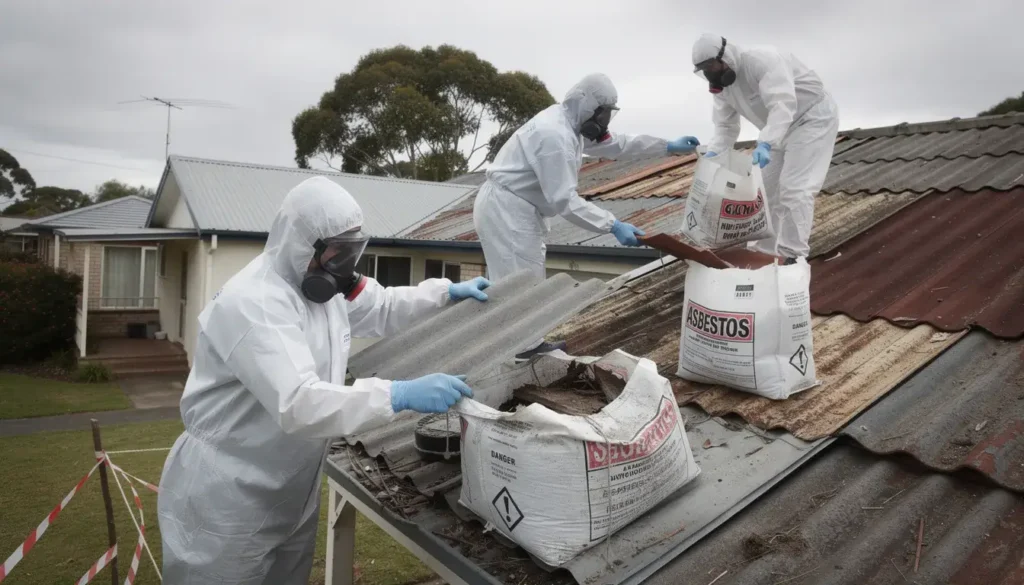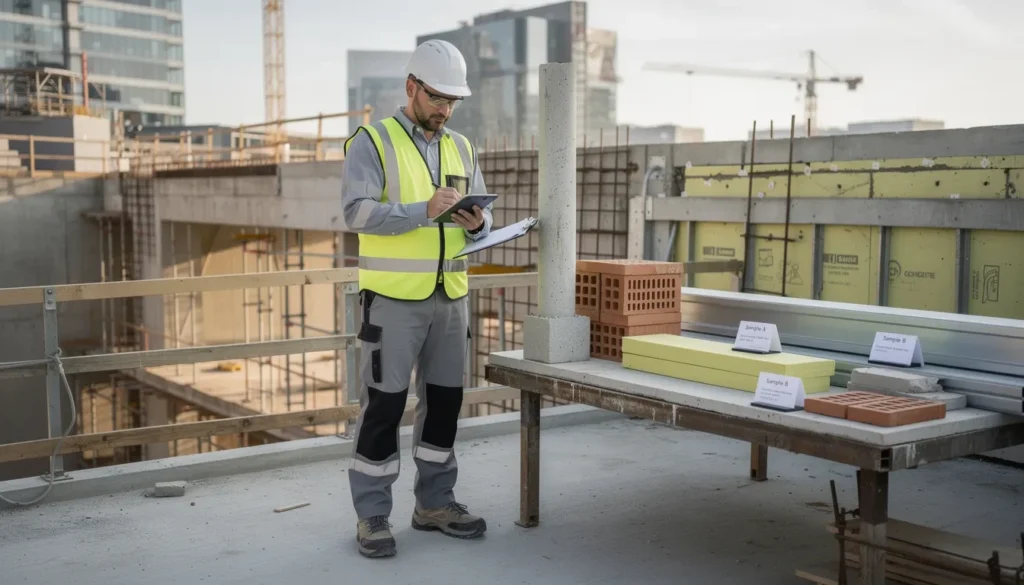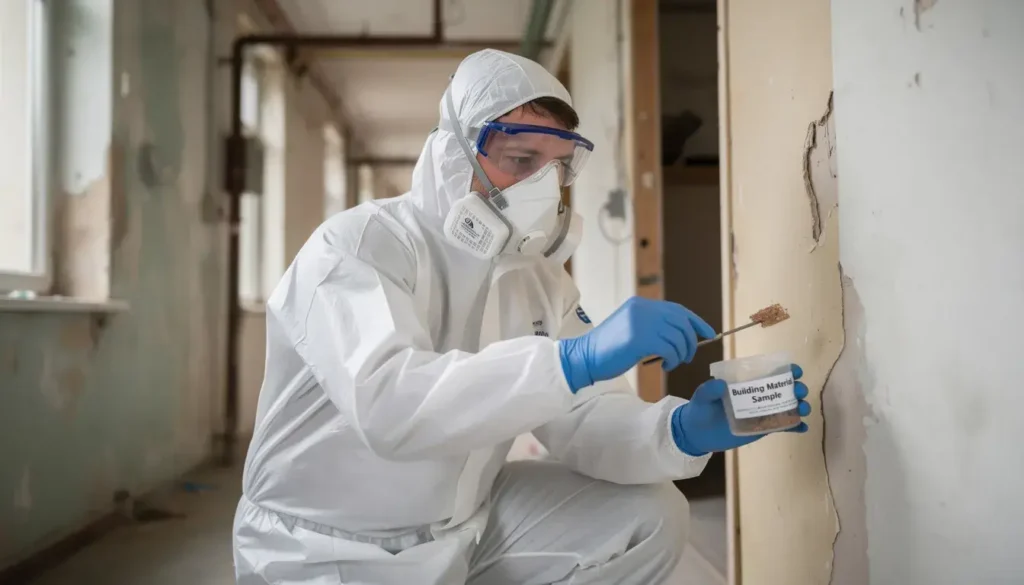
Welcome to your comprehensive guide on where to get rid of asbestos safely and legally in Auckland and across New Zealand. Whether you are a homeowner, landlord, or business owner, understanding the proper procedures for asbestos disposal is crucial to protect your health, comply with regulations, and ensure a safer environment for everyone. This guide provides clear, practical advice, identification, removal, disposal options, legal requirements, and trusted professional services to help you navigate the complexities of asbestos management with confidence. For expert advice and support, contact us.
Table of Contents
Key Takeaways
- In Auckland and across New Zealand, you cannot put asbestos in household rubbish, recycling, or standard transfer stations. Using licensed asbestos removal services is legally required for most jobs, particularly those involving friable asbestos or large quantities.
- The main legal options for disposing of asbestos include licensed asbestos removal companies, specialised hazardous-waste landfills approved for asbestos, and in some regions, council-arranged collections or designated bins.
- Auckland transfer stations do not accept asbestos from the public. Auckland residents must contact WorkSafe-licensed contractors or their local council for approved disposal sites and end-to-end removal services.
- DIY handling of asbestos is strongly discouraged due to serious health risks including mesothelioma and lung cancer, plus potential fines for unsafe disposal under New Zealand’s Health and Safety at Work (Asbestos) Regulations 2016.
- This guide covers practical, step-by-step guidance: who to call first, how asbestos contaminated material must be wrapped and labelled, and what proper disposal typically costs in New Zealand.
Introduction: Why Safe Asbestos Disposal Matters
Asbestos is a naturally occurring mineral fibre that was widely used in New Zealand building materials from the 1940s through to the late 1980s due to its fire resistance and durability. Common applications included roofing, cladding, textured ceilings, insulation, vinyl floor backing, and cement pipes. In 2016, New Zealand implemented a total ban on importing and using asbestos, reflecting the established link between asbestos exposure and serious diseases like mesothelioma, asbestosis, and lung cancer.
Finding out where to get rid of asbestos is not as simple as booking a skip or heading to your nearest tip. Strict laws govern asbestos management and disposal, only a limited number of facilities can accept the material, and improper handling creates long-term health risks that can affect your lungs decades after exposure. The regulations exist because asbestos fibres, when disturbed, become airborne and can be inhaled—causing damage that may not show symptoms for 20 to 50 years.
This guide is written for homeowners, landlords, and small business owners in Auckland and around New Zealand who have asbestos roofing, cladding, vinyl, textured ceilings, or contaminated soil that needs removing and disposing of safely. Rather than general theory, you will find concrete options here: names of authorities, typical processes, documentation requirements, and what to expect in terms of cost.
One critical point before we continue: never dump asbestos illegally in skips, reserves, beaches, or general landfill. Doing so risks prosecution, clean-up costs under the Resource Management Act, and exposing others to cancer-causing fibres. The following sections explain exactly who can legally take asbestos waste and how the process works.
First Step: Confirming You Actually Have Asbestos
Before worrying about disposal rules, you need to confirm whether the material in question actually contains asbestos. These regulations and requirements only apply once the material is identified or strongly suspected as asbestos-containing material (ACM).
New Zealand buildings constructed or renovated between the 1940s and 2000 commonly contain ACM in locations such as:
| Location | Common ACM Products |
|---|---|
| Roofing | Corrugated cement sheets, shingles |
| Exterior walls | Fibre-cement cladding, weatherboards |
| Interior ceilings | Textured coatings, ceiling tiles |
| Flooring | Vinyl tiles, backing materials |
| Utilities | Pipe lagging, electrical switchboards |
| Fencing | Fibre-cement fence panels |
Never rely on guesswork or visual inspection alone. The only reliable way to confirm asbestos is through laboratory testing by an IANZ-accredited facility using a professional sampler. Search the IANZ directory for accredited asbestos testing and other major centres like Wellington, Christchurch, and Hamilton. Always request written lab reports for your records.
Many asbestos removal companies offer sampling services and arrange laboratory testing as part of their overall package. This simplifies the process significantly for homeowners who are unsure where to start with identifying and assessing suspect materials.
Who Can Legally Take Asbestos Waste in New Zealand
Ordinary tips and kerbside rubbish services cannot accept asbestos. Disposal must go through authorised channels that are equipped to handle hazardous material safely and prevent contamination of the environment.
The main legal receivers of asbestos waste in New Zealand are:
- Licensed asbestos removal contractors who provide end-to-end removal and disposal services
- Hazardous-waste landfills specifically approved to accept and bury asbestos
- Council-managed special collections or bins in a few regions (not available everywhere)
The Health and Safety at Work (Asbestos) Regulations 2016 require a Class A or Class B licensed removalist for most asbestos removal jobs. Understanding the difference between these licence classes is essential:
| Licence Class | Authorised Work |
|---|---|
| Class A | Friable asbestos (easily crumbled, high risk) and non friable asbestos |
| Class B | Non friable asbestos only (bonded products like cement sheeting, eaves, fibre-cement fences) |
Friable asbestos includes material that can be crumbled or reduced to powder by hand pressure—such as old pipe lagging or spray-on insulation. This type poses the highest risk because fibres release easily into the air. Non friable (bonded) asbestos, like cement sheets, is more stable but still requires careful handling to prevent breakage and fibre release.
Before planning any removal or transport of asbestos waste, check the WorkSafe New Zealand register of licensed asbestos removalists for up-to-date local options in your area.
Where to Get Rid of Asbestos in Auckland
Auckland has particularly strict rules when it comes to asbestos disposal. Transfer stations and general council facilities in the Auckland region currently do not accept asbestos from the public under any circumstances.
Auckland Council does not collect suspected asbestos in inorganic collections or at standard transfer stations. If you have asbestos on your property, you must use WorkSafe-licensed asbestos removal companies to handle the job from start to finish.
Reputable Auckland asbestos contractors provide a full service that includes:
- Professional removal following worksafe guidelines
- Wrapping and secure containment on site
- Transport using compliant vehicles
- Disposal at authorised hazardous-waste landfills
- Waste tracking documentation and disposal certificates
For small, non friable, well-wrapped domestic quantities, some hazardous-waste facilities within or near the Auckland region may accept waste—but only if delivered by an approved contractor and booked in advance. Direct public drop-off is not an option.
If you are an Auckland resident needing to dispose of asbestos, follow these steps:
- Contact at least two licensed asbestos removal firms for quotes
- Confirm exactly where your waste will go (ask for the landfill name)
- Request disposal certificates for your insurance records and future property documentation
- Keep copies of all paperwork—you may need them when selling your property
Where to Get Rid of Asbestos in Other New Zealand Regions
Each region across New Zealand has different landfill and council rules for asbestos waste. What applies in Auckland does not necessarily apply in Waikato, Bay of Plenty, Wellington, Canterbury, or Otago.
The first step for residents outside Auckland is to contact your local council’s waste or environmental health team. Ask specifically:
- Which nearby landfills or transfer stations are permitted to accept asbestos
- What conditions apply (pre-booking, licensed carrier requirements, packaging standards)
- Whether any council-arranged collection services exist in your area
Some regional landfills—for example in Waikato, Bay of Plenty, and Canterbury—accept asbestos only on specific days, in pre-booked loads, and often through a licensed carrier rather than directly from the public.
For reliable region-specific information, check both your council website and WasteMINZ resources, which maintain updated guidance on asbestos disposal facilities throughout New Zealand.
In smaller towns and rural areas, disposal may involve transporting waste to a major regional landfill. Even so, transport must comply with packaging and labelling rules, and qualified handlers are required where the regulations demand it. Distance does not exempt anyone from compliance.
Using Licensed Asbestos Removal & Disposal Companies
Using a licensed contractor is almost always the safest and most straightforward way to get rid of asbestos. These professionals have the training, equipment, and disposal relationships needed to manage the job from identification through to final burial at an approved site.
Reputable New Zealand asbestos removal providers offer award-winning, end-to-end services including: Awards | Asbestos Removal Auckland
- Surveying and assessing your property
- Sampling and laboratory testing
- Safe removal with proper containment
- Decontamination of the work area
- Transport in compliant vehicles
- Disposal at approved landfills with documentation
When choosing a contractor, look for:
- WorkSafe Class A or B licence numbers (verify these on the official register)
- Proof of insurance covering asbestos work
- References or case studies from similar jobs
- Written health and safety plans specific to your property
Ask contractors to detail in writing how waste will be packaged (200-micron plastic, double-bagged, labelled with asbestos warnings), how it will be transported, and which landfill will receive it. This documentation protects you and creates a clear record for future property sales.
Get a written quote that separates removal labour, air monitoring (if required), and landfill disposal fees. This transparency helps you understand exactly what you are paying for and allows proper comparison between providers.
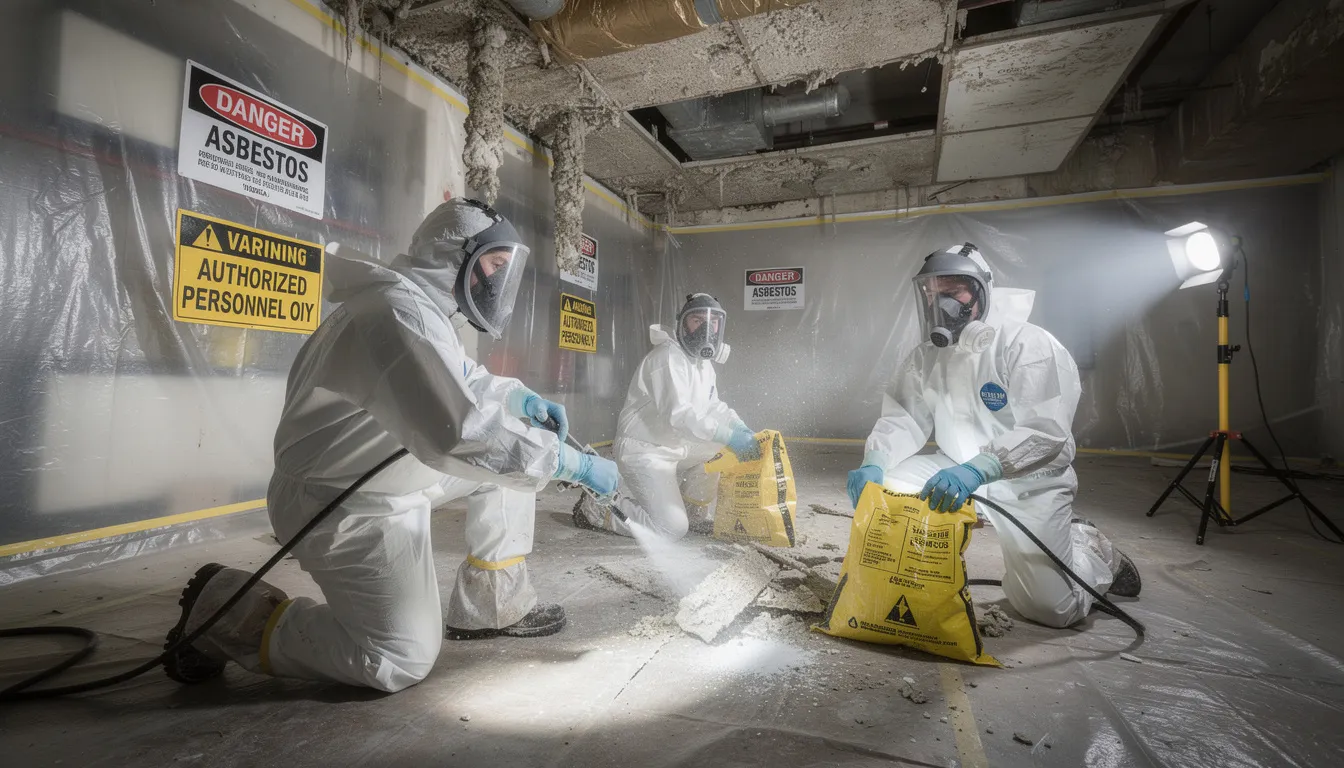
How Asbestos Must Be Packaged and Labelled for Disposal
New Zealand law requires specific packaging standards to prevent fibre release during transport and tipping at disposal facilities. Getting this wrong can result in refused loads, fines, or dangerous exposure.
Proper asbestos packaging involves:
- Wetting the material if appropriate (reduces dust and fibre release)
- Wrapping in heavy-duty 200-micron plastic bags or sheeting
- Double-wrapping for additional security
- Sealing all openings with strong tape (a thick plastic bag alone is not sufficient without proper sealing)
- Labelling clearly in English
Each package must display warning text such as “CAUTION ASBESTOS – DO NOT INHALE DUST” in large, legible letters. This is not optional—it is a safety and compliance requirement.
For broken cement sheets or other items with sharp edges, wrap the material to prevent tearing through the plastic during handling. Keep bags small enough for safe manual lifting—oversized, heavy packages create handling risks and increase the chance of breakage.
Many landfills and contractors have their own specific labelling and booking forms. Always confirm requirements with your disposal facility in advance to avoid turning up with an unacceptable load.
Costs and Practical Considerations for Asbestos Disposal
Asbestos removal and disposal in New Zealand is not cheap. However, cutting corners is both dangerous and potentially illegal—the cost of non-compliance can far exceed the cost of doing the job properly.
Several factors drive the overall cost:
| Cost Factor | Impact on Price |
|---|---|
| Quantity of asbestos | More material = higher removal and disposal fees |
| Friable vs non friable | Friable requires Class A licence and more containment = higher cost |
| Access difficulty | Two-storey roof vs ground-level fence affects labour time |
| Location | Regional landfill fees vary; transport distance matters |
| Air monitoring | Required for some jobs, adds to total cost |
Some Auckland and regional jobs are priced per square metre of asbestos removed. Disposal itself may be charged per kilogram or per cubic metre at hazardous-waste landfills—rates vary significantly between facilities.
Budget separately for:
- Testing and sampling
- Removal labour and equipment
- Air monitoring (if required)
- Transport
- Landfill disposal fees
Request line-item quotes from contractors so you can see where your money is going. This also makes it easier to compare quotes from different providers on a like-for-like basis.
If you are planning renovations or demolitions, factor asbestos costs into your schedule early. Organising licensed removal and landfill bookings can add days or weeks to a project—discovering asbestos mid-renovation creates expensive delays.
Where You Cannot Get Rid of Asbestos
Understanding where asbestos must never go is just as important as knowing the legal disposal options. Getting this wrong creates health risks, environmental contamination, and potential legal consequences.
Asbestos cannot be placed in:
- Household rubbish bins
- Recycling bins
- Green waste collections
- Standard council inorganic collections
- General transfer stations
- Private skip bins (most providers)
Most skip bin companies explicitly refuse asbestos. Including it in a general skip can result in extra charges, refusal to collect, contamination of other waste streams, or regulatory action against you.
Illegal dumping of asbestos in public spaces, rural land, or coastal areas is a serious offence. This includes reserves, estuaries, beaches, and road verges. Under the Resource Management Act, illegal dumping can lead to substantial fines and clean-up costs that you will be required to pay.
If you discover suspected asbestos that has been illegally dumped, do not touch it. Report it to your local council or the Ministry for the Environment hotline while keeping a safe distance. Safeguarding the community from exposure starts with proper reporting.
Special Situations: Soil, Fire Damage, and Beach Asbestos
Not all asbestos waste comes from obvious sources like roofing sheets or wall cladding. Some situations are more complex and require specialist expertise.
Asbestos-contaminated soil can occur where old building waste has been buried, broken fences have degraded into the ground, or demolition debris has been mixed with soil over decades. These situations usually require specialist consultants and contractors with soil remediation experience. Testing, excavation, and disposal of contaminated soil follows a more intensive process than standard ACM removal.
After house fires, asbestos roofs and claddings often become extremely friable due to heat damage. What was once stable cement sheeting can crumble easily, releasing fibres into the air. Fire-damaged asbestos sites require careful controls, air monitoring, and coordinated removal by licensed teams with Class A certification.
Beach and estuary asbestos occasionally appears in coastal areas. Using the Tāmaki Estuary as an example, non friable asbestos fragments found on beaches and mudflats are generally low risk if left undisturbed—but they must not be handled by members of the public.
If you discover suspected ACM outdoors on beaches, reserves, or road verges:
- Do not touch the material
- Photograph the location from a safe distance
- Note the GPS coordinates or nearest address
- Report it to the relevant council for assessment and removal
The site will be assessed by qualified personnel who can determine the risk and arrange proper disposal.
Storing Asbestos Safely Until Disposal
Immediate disposal is always the best approach. However, sometimes asbestos must be stored briefly while waiting for a contractor or landfill booking to become available.
If temporary storage is unavoidable, follow these guidelines:
- Keep asbestos pieces damp if appropriate (reduces fibre release)
- Double-wrap in heavy-duty plastic
- Seal all openings securely
- Label clearly with asbestos warnings
Store wrapped asbestos off the ground in a secure, locked area. Keep it away from children, pets, and weather. Never cut, drill, sand, or break asbestos into smaller pieces—this releases fibres and creates a product immediately more hazardous than the original material.
Avoid long-term storage. Arrange a specific disposal date with a licensed contractor or approved facility as soon as possible. The longer material sits, the greater the chance of damage, exposure, or complications.
Keep a simple record noting when asbestos is stored on your site and when it is removed. This documentation may be needed by future property owners, insurers, or inspectors.
Frequently Asked Questions about Asbestos and Its Safe Removal
Can I personally take a small load of asbestos to a landfill in New Zealand?
Some regional landfills do allow small, properly wrapped quantities from members of the public, but many—including facilities in and around Auckland—require asbestos to arrive via a licensed contractor and by prior booking only. Requirements vary significantly between regions and individual facilities. Always phone the landfill or check its website before making the trip. Turning up unannounced with asbestos waste will likely result in refusal of entry and a wasted journey.
Is any DIY asbestos removal legal for homeowners?
New Zealand law does not completely ban homeowners from removing small amounts of non friable asbestos on their own residential property. However, the regulations strongly discourage it, and you must still follow safe handling methods and arrange lawful disposal. Friable asbestos, large-scale jobs, and any work done as part of a business or rental property management generally must be handled by a licensed removalist with appropriate Class A or B certification. Even when DIY might technically be permitted, most people should use a professional due to health risks, equipment requirements, and the complexity of compliant disposal.
How long does asbestos removal and disposal usually take?
Timelines depend heavily on the scope of work. Simple fence removal or a small roof job might be planned and completed within a few days once a contractor is engaged. Larger commercial removals or contaminated soil projects can take several weeks from initial surveying through to final clearance. Time is needed for testing, WorkSafe notifications (required for certain jobs), site set-up, safe removal, decontamination, clearance inspections, and landfill booking. If you are planning renovations or demolitions, contact asbestos professionals several weeks before work is due to start to build this into your project schedule.
Will my insurance cover asbestos removal and disposal?
Many New Zealand home insurance policies include limits or exclusions for asbestos, particularly where it is pre-existing and not related to a sudden insured event such as fire or storm damage. Policy wording varies considerably between insurers. Contact your insurance provider directly to confirm what is covered, whether specific documentation from licensed contractors is required, and what the claims process involves. Keep copies of all reports, quotes, invoices, and disposal certificates—these records are essential for insurance claims and may also be needed when selling your property.
What if I’m renovating and only suspect there might be asbestos?
Any work likely to disturb suspect materials should stop immediately until sampling and laboratory analysis confirm whether asbestos is present. Arrange professional asbestos sampling before cutting, sanding, drilling, or demolishing older linings, roofing, ceilings, or vinyl flooring. Confirming asbestos early reduces the risk of uncontrolled exposure and allows time to organise compliant removal and disposal within your project timeline. Builders and contractors working on older New Zealand properties should treat any unidentified fibrous material as suspect until proven otherwise—this approach protects workers, occupants, and your compliance with health and safety regulations.
What is asbestos and why is it dangerous?
Asbestos is a naturally occurring mineral made up of small, strong fibres. These fibres are 50 to 200 times thinner than a human hair and cannot be seen with the naked eye. When disturbed, asbestos fibres can become airborne and inhaled, posing serious health risks such as lung cancer, mesothelioma, and asbestosis.
How can I identify asbestos in my property?
Asbestos looks different depending on the materials it is mixed with, making visual identification difficult. If you suspect the presence of asbestos, especially in buildings constructed between 1940 and 2000, you should contact a licensed asbestos assessor for professional sampling and laboratory testing.
Can homeowners remove asbestos themselves?
Homeowners can remove up to 10m² of non-friable (bonded) asbestos following strict safety guidelines. However, removal of friable asbestos or more than 10m² of non-friable asbestos requires a licensed contractor and notification to WorkSafe. It is strongly advised to seek professional help due to health risks and legal requirements.
What safety measures should be taken when handling asbestos?
When handling asbestos, personal protective equipment (PPE) such as P2 masks, disposable overalls, and gloves must be used. Keeping asbestos materials wet reduces the release of harmful fibres, minimizing health risks during removal or packaging.
Where can I legally dispose of asbestos waste in New Zealand?
Only specific authorized landfills, such as Hampton Downs and Redvale Landfill, accept asbestos waste. Asbestos waste must be double-bagged in heavy-duty plastic (at least 200 μm thick) and clearly labelled as hazardous before disposal. You should call several days in advance to notify the landfill of your asbestos waste delivery.
What is the difference between friable and non-friable asbestos?
Friable asbestos can be crumbled into powder by hand, releasing toxic fibres into the air, and poses the highest health risk. Non-friable asbestos is bonded in solid materials like cement and is less hazardous unless damaged or disturbed.
What happens after asbestos removal?
After asbestos removal, a clearance certificate from a certified asbestos assessor is required before the area can be safely re-occupied. This ensures that the site is free from harmful asbestos fibres.
Who provides professional asbestos removal services in Auckland?
Morecroft is a trusted provider with over 30 years of experience specializing in the safe and efficient removal of both Class A (friable) and Class B (non-friable) asbestos. Their services include asbestos sampling, management plans, soil remediation, and consultancy, supported by a large team of licensed supervisors and removalists.
Are there local testing facilities for asbestos in Auckland?
Yes, the Auckland Council asbestos lab located in Grafton handles small consumer-recalled asbestos items and provides testing services to support safe asbestos management.
Which companies are authorized for asbestos removal in New Zealand?
Authorized contractors include reputable companies such as Chemcare, ACM Removals, AWM Asbestos, and RCG. It is essential to use licensed professionals to ensure compliance with health and safety regulations and proper asbestos disposal.
Conclusion
Proper asbestos disposal is essential to safeguard your health and the environment while complying with New Zealand’s strict regulations. Whether dealing with small amounts of non-friable asbestos or larger, high-risk friable materials, the safest approach is to engage licensed professionals who follow WorkSafe guidelines throughout the removal and disposal process. Always ensure asbestos waste is securely packaged, transported, and disposed of at approved facilities. By following the steps outlined in this guide, you can manage asbestos contamination responsibly, avoid legal penalties, and contribute to a safer community for all.