Welcome to our comprehensive guide on asbestos removal Auckland cost. Whether you’re a homeowner, property manager, or contractor, understanding the true costs and processes involved in safe asbestos removal is crucial. Our expert insights and detailed information will help you navigate the complexities of asbestos testing, removal, and disposal, ensuring your property remains safe and compliant with New Zealand regulations. Let’s get started on making your Auckland property asbestos-free with confidence and clarity.
If you own a pre-1990 Auckland home, there’s a reasonable chance asbestos is lurking somewhere in your property. Whether you’re planning a renovation, preparing to sell, or dealing with damaged materials, understanding the real cost of asbestos removal in Auckland is essential before you commit to any project.
This guide breaks down exactly what Auckland homeowners and property owners pay for professional asbestos removal in 2026, covering everything from small soffit jobs to full roof replacements and complex commercial strip-outs.
Table of Contents
Key Takeaways
Most small asbestos removal jobs in Auckland start around $800–$1,500+GST, while full house or roof projects typically range from $4,000 to $20,000+GST depending on size, material type, and risk classification. Larger or more complex projects can exceed these figures significantly.
- There is no single fixed “per square metre” price in Auckland—Class B jobs (non friable asbestos) often fall roughly between $35–$80+GST per m², while high-risk Class A removals (friable materials) can exceed $120+GST per m²
- Costs are driven by asbestos type (friable vs non friable), location within the property (roof, ceilings, soffits, cladding, soil), access difficulty (single vs multi-storey), and disposal fees at Auckland-region hazardous waste sites
- WorkSafe NZ licensing, air monitoring, and IANZ-accredited lab testing add to the total but are critical for health and safety and legal compliance in Auckland
- Property owners should always obtain at least 2–3 detailed quotes from licensed Auckland asbestos removal specialists that itemise testing, removal, clearance, and disposal before committing
Typical Asbestos Removal Costs in Auckland (Answered Upfront)
Let’s cut straight to the numbers. In 2026, Auckland asbestos removal cost varies significantly based on the scope of work, but here are realistic ranges for common residential projects:
- Small eave or soffit job: $800–$1,500+GST
- Single asbestos bathroom (vinyl, adhesive, wall linings): $2,000–$5,000+GST
- Average 100–150m² roof: $5,000–$12,000+GST
- Full-house textured ceilings (80–160m²): $8,000–$20,000+GST
To put these figures in context with real Auckland scenarios:
- A 1960s weatherboard in Mount Roskill with asbestos soffits might run $1,200–$2,500+GST for removal
- A 1970s fibro garage in Henderson typically costs $3,600–$6,500+GST including disposal
- A 1980s Decramastic roof in Manurewa (around 120m²) could range from $5,500–$10,000+GST depending on height and access
Auckland pricing tends to sit higher than some regional centres due to landfill fees, traffic and logistics challenges, and elevated labour costs. All figures quoted throughout this article are exclusive of GST unless otherwise stated.
Asbestos testing is usually quoted separately from removal costs, typically ranging from $150–$400+GST per visit including 1–3 samples. Complex projects may also require independent air monitoring and clearance certificates as additional line items on your final invoice.
A word of caution: any quote significantly below the common Auckland ranges should raise red flags about licensing, insurance, or corners being cut on safety practices and proper disposal. Removing asbestos safely requires certified professionals, proper equipment, and compliance with safety regulations—none of which come cheap.
Key Factors That Influence Asbestos Removal Cost in Auckland
Auckland asbestos removal cost is genuinely project-specific. Two seemingly similar jobs can have vastly different price tags based on a range of variables. Understanding these factors helps you make sense of the quotes you receive.
Core cost drivers include:
- Total square metres of asbestos materials: Larger areas mean more labour, disposal, and materials, though per-m² rates often drop with scale
- Friable vs non friable materials: Friable asbestos (which crumbles easily) requires more stringent controls and Class A licensing, pushing costs significantly higher
- Access difficulty: Heights, tight spaces, multi-storey buildings, and whether work is internal or external all affect scaffolding, edge protection, and labour time
- Required level of containment: Full enclosures with negative pressure units cost more than straightforward external removal work
Auckland-specific influences:
- Travel within the Super City: Jobs in Gulf Harbour, Pukekohe, or Papakura may incur higher travel charges compared to central suburbs
- Parking and access: Dense suburbs and CBD locations can require traffic management, crane access, or additional permit fees
- Timing: After-hours work for commercial buildings or tight renovation schedules adds premium rates
Heritage or pre-1940 villas in suburbs such as Grey Lynn, Mt Eden, and Ponsonby often have layered asbestos containing material—soffits, old linings, and textured ceilings stacked over decades of renovations. This increases investigation time and removal costs as each layer must be assessed and handled appropriately.
Urgency also plays a significant role. Emergency situations like fire damage or flood remediation can push prices up considerably due to overtime rates, fast-tracked lab results, and compressed project timelines.
Common Asbestos Materials Found in Auckland Homes and Their Cost Impact
Auckland homes built roughly between the 1940s and late 1980s commonly contain asbestos in various forms—roofs, eaves, ceilings, vinyl flooring, and pipe lagging. Each material type carries different cost implications for safe removal.
The following sections link each material to typical Auckland locations and explain how removal difficulty affects what you’ll pay. Keep in mind these are indicative price tendencies rather than rigid quotes—large or complex homes can sit well above the examples given.
Asbestos Cement Roofing and Cladding
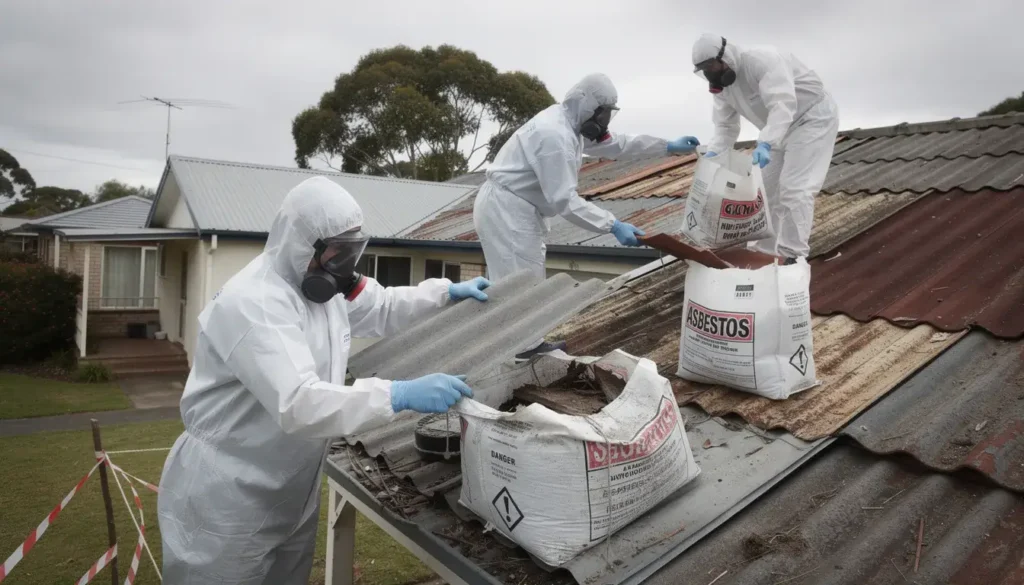
Asbestos cement roofing products like Super 6 corrugated sheets and Decramastic tiles were widely used across Auckland from the 1950s through the 1980s. You’ll find them on homes throughout suburbs like Glenfield, Howick, Te Atatū, and across the greater Auckland region.
Asbestos roof removal tends to be among the more expensive items due to height requirements, edge protection, possible scaffolding, and large surface areas. Straightforward jobs typically run from about $45–$80+GST per m².
Single-storey, easy-access roofs in areas like Flat Bush or Hobsonville Point are generally cheaper per m² than two-storey or steep roofs requiring more extensive scaffold and fall protection systems.
Wall cladding removal costs depend on whether internal linings must be disturbed and whether the work is staged alongside full recladding or re-roofing projects. Coordinating asbestos removal work with other trades can sometimes create efficiencies.
Disposal costs are significant for roofing sheets. Each piece must be double-bagged or wrapped and transported to approved facilities in the Auckland region, with disposal fees adding noticeably to the total project cost.
Soffits, Eaves, and Fence Panels
Asbestos soffits, eaves, and old “fibro” fence panels are extremely common in Auckland housing stock built from the 1950s through to the late 1980s. These hazardous materials often go unnoticed until painting or renovation work begins.
Typical budget ranges for small to medium soffit jobs:
| Job Type | Indicative Cost |
|---|---|
| Small soffit section (single elevation) | $800–$1,500+GST |
| Medium soffit job (multiple elevations) | $1,500–$3,000+GST |
| Extensive soffit replacement | $3,000–$5,000+GST |
Soffits on two-storey homes in suburbs like Botany Downs or Massey often require full scaffolding or edge protection, which can add several thousand dollars to an otherwise modest removal scope.
Shared fences between commercial and residential properties might require coordination with neighbours, potentially influencing timing and cost if both sides choose to remove asbestos panels simultaneously.
Soffit removal is often done before repainting or reroofing. Timing removal with other trades can sometimes reduce overall project costs by sharing scaffold setups and minimising disruption.
Textured (Artex/Popcorn) Ceilings
Textured ceilings represent a major asbestos removal cost driver in many 1960s–1980s Auckland homes and apartments. Areas like Mount Wellington, Mangere, and Milford have high concentrations of properties with these finishes.
Many older spray-on or trowel-on textures contain asbestos and are treated as friable once disturbed. This classification makes them more complex and expensive to remove safely, requiring full containment and specialised equipment.
Realistic Auckland pricing guidance for textured ceilings:
- Small room removal: Starting around $1,500+GST
- Whole-house ceilings (80–160m²): $8,000–$20,000+GST depending on condition and access
The removal process for friable textured ceilings requires full containment, negative-pressure units, and post-removal air monitoring or clearance certificates. These requirements are essential for safe re-occupation and add to the invoice accordingly.
Alternative asbestos management options exist, including encapsulation or over-lining with new materials. A licensed assessor should advise on whether full removal is the best choice for your situation, as encapsulation can be generally cheaper for stable, undisturbed materials—typically $500–$1,500 depending on area complexity.
Vinyl Flooring and Old Floor Tiles
Many 1960s–1980s vinyl floorings and black adhesive mastics in Auckland kitchens, laundries, and bathrooms contain bonded asbestos. These materials are typically found under more modern floor coverings, often discovered during renovations.
Removal costs are influenced by:
- Whether only the vinyl is being lifted or the underlying adhesive and underlay must also be removed
- Whether other trades (plumbers, tilers) are involved in the renovation
- The condition of the asbestos containing material
Small areas like single bathrooms or laundries might cost from $800–$2,000+GST, while whole-house vinyl removal can run significantly higher when combined with subfloor preparation and soil remediation if contamination has occurred.
Grinding or sanding is never used on asbestos-containing vinyl in compliant projects. Instead, experienced professionals use controlled lifting, misting, and appropriate PPE and asbestos waste handling methods.
Accurate lab testing of vinyl and glues is essential before renovations start. This ensures budgets and schedules for Auckland bathroom or kitchen refits are realistic and avoids costly surprises mid-project.
Pipe, Boiler, and Plant Room Insulation
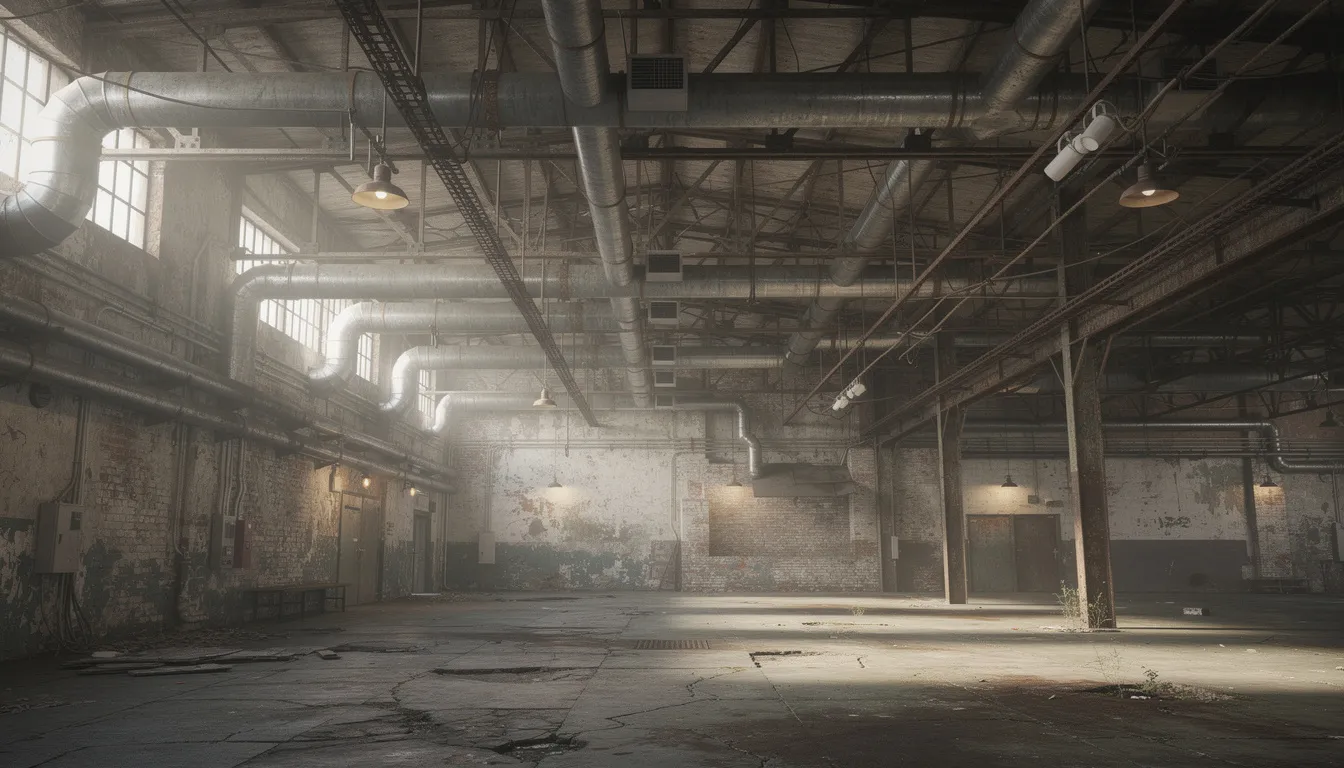
Friable asbestos lagging and boiler insulation are more common in older commercial, industrial, and multi-unit residential buildings across central Auckland and older suburbs. This type of asbestos exposure risk is particularly high when materials are disturbed.
These materials are often classified as Class A (friable) work, requiring full enclosures, negative pressure, and independent air monitoring. This substantially increases cost per metre compared to non friable asbestos work.
Broad examples of costs:
- Small boiler rooms: Starting from a few thousand dollars
- Large plant rooms or extensive pipe runs: Can reach tens of thousands in older hospitals, schools, or factories
Access in ceiling voids, crawl spaces, or congested plant rooms is a major cost factor. Coordination with building management is essential to achieve minimal disruption to operations.
These jobs are almost always commercial or body-corporate funded and require detailed scoping and method statements prior to pricing being finalised. The experienced team handling such work must demonstrate regulatory compliance and proper handling procedures.
Asbestos Testing and Inspection Costs in Auckland
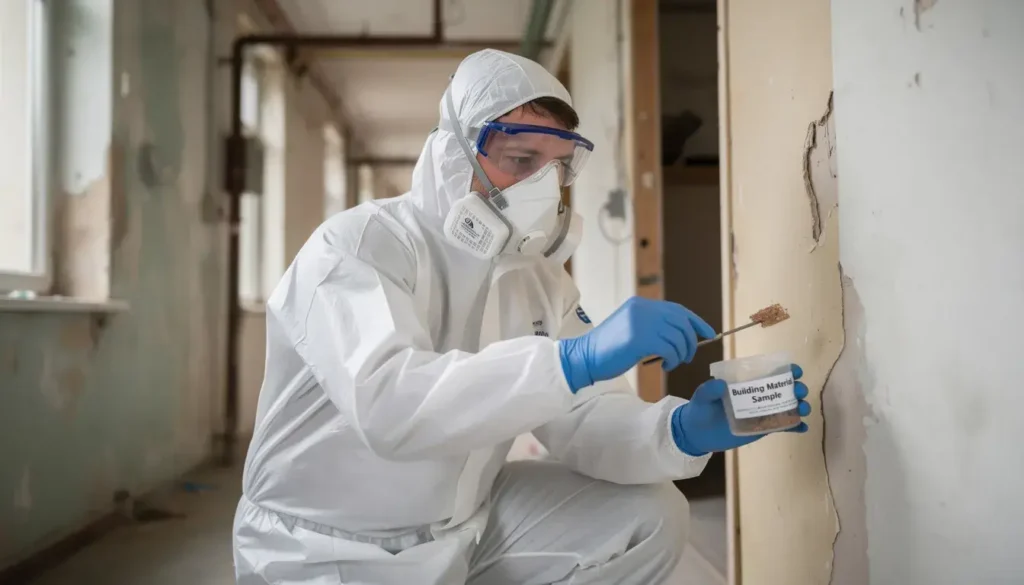
No reputable Auckland removal company will give a firm quote without confirming asbestos through proper sampling and IANZ-accredited lab analysis. Visual identification alone is unreliable—only lab testing can confirm the presence of asbestos fibres.
Typical 2026 Auckland asbestos testing cost patterns:
| Service | Indicative Cost |
|---|---|
| Call-out plus first sample | $150–$250+GST |
| Additional samples | $40–$80+GST each |
| Urgent 24-hour turnaround | Additional $50–$100+GST |
| Pre-purchase asbestos survey | $400–$800+GST |
Pre-purchase asbestos surveys for Auckland properties—especially pre-1990 houses—are often charged as a package. The cost depends on property size and the number of suspect materials requiring analysis.
There’s an important distinction between basic “sampling only” visits and full management or refurbishment/demolition surveys. The latter are more detailed and expensive but provide comprehensive mapping of all asbestos risks.
Good inspection reports from asbestos removal specialists map asbestos locations, estimate quantities, and recommend management or removal strategies. This helps owners avoid nasty cost surprises during renovation or building demolition projects.
How Removal Methods and Work Class Affect Total Cost
New Zealand classifies asbestos work into Class A (friable) and Class B (non-friable), and Auckland removal costs are strongly influenced by which class applies to your project.
Class B work covers sound asbestos cement products like sheeting and cladding where fibres remain contained unless disturbed. These jobs are typically cheaper to manage because they require less containment and monitoring.
Class A work covers friable materials like pipe lagging, sprayed insulation, and damaged textured ceilings. These projects require fully licensed Class A contractors, extensive containment, and independent verification.
Three main approaches exist for asbestos management:
- Leave in place and manage: Cheapest short-term but requires ongoing asbestos management plans and monitoring
- Encapsulation or enclosure: Sealing materials with specialised coatings—moderately priced but doesn’t eliminate long-term asbestos risks
- Full removal: Most expensive upfront but eliminates ongoing monitoring and future removal requirements
Full removal is often more expensive initially but may be cheaper over the long term. It eliminates the need for ongoing monitoring, management plans, and future removal during later renovations—keeping your property safe indefinitely.
Method statements, negative pressure units, decontamination units, air monitoring, and clearances are all cost components that scale up with the risk level of the asbestos being removed.
Disposal Fees, Transport, and Auckland Legal Requirements
Auckland’s asbestos disposal environment—with limited hazardous waste sites and strict acceptance rules—adds noticeable cost to most projects. This is a non-negotiable aspect of proper disposal that ensures compliance with NZ guidelines.
Asbestos waste must be double-bagged in 200-micron polythene, labelled appropriately, and transported in accordance with New Zealand law. Contractors charge for labour, packaging materials, transport time, and tipping fees at approved facilities.
Not all Auckland transfer stations accept asbestos. Waste is usually taken to designated hazardous waste sites in the Auckland region, with minimum disposal charges applying even for small volumes. A single garage’s cladding rubbish can cost around $700+GST for disposal alone.
Auckland Council requirements and WorkSafe NZ obligations must be built into project planning and budgets. These include:
- Notifications for certain job types
- Use of licensed removalists only
- Comprehensive documentation and chain-of-custody records
- Proper handling and transport protocols
Reputable Auckland contractors include disposal certificates and chain-of-custody documentation in their final paperwork. This provides proof that asbestos waste was handled legally and protects you from future liability related to contaminated land issues.
Residential vs Commercial Asbestos Removal Costs in Auckland
Residential asbestos jobs tend to be smaller but more sensitive to disruption, while commercial projects in the CBD, business parks, or industrial zones often involve higher compliance costs and indirect expenses. Understanding these differences helps set realistic expectations.
Commercial costs are influenced by project scale, complexity of building services, tenant coordination, after-hours work requirements, and tighter programme deadlines. These factors often push per-m² rates higher than equivalent residential work.
Residential owners are usually more focused on upfront affordability and speed. Commercial clients must also consider business continuity, brand risk, and formal reporting requirements to stakeholders.
Comparative example: A small West Auckland bungalow soffit job might cost $1,500–$2,500+GST with straightforward access and daytime work. A multi-storey office strip-out on Queen Street could cost several times more due to after-hours requirements, traffic management, tenant notifications, and enhanced documentation.
Both sectors must use licensed contractors and follow the same WorkSafe NZ rules, but commercial jobs typically require more extensive project management and regulatory compliance documentation.
Residential Asbestos Removal Costs in Auckland
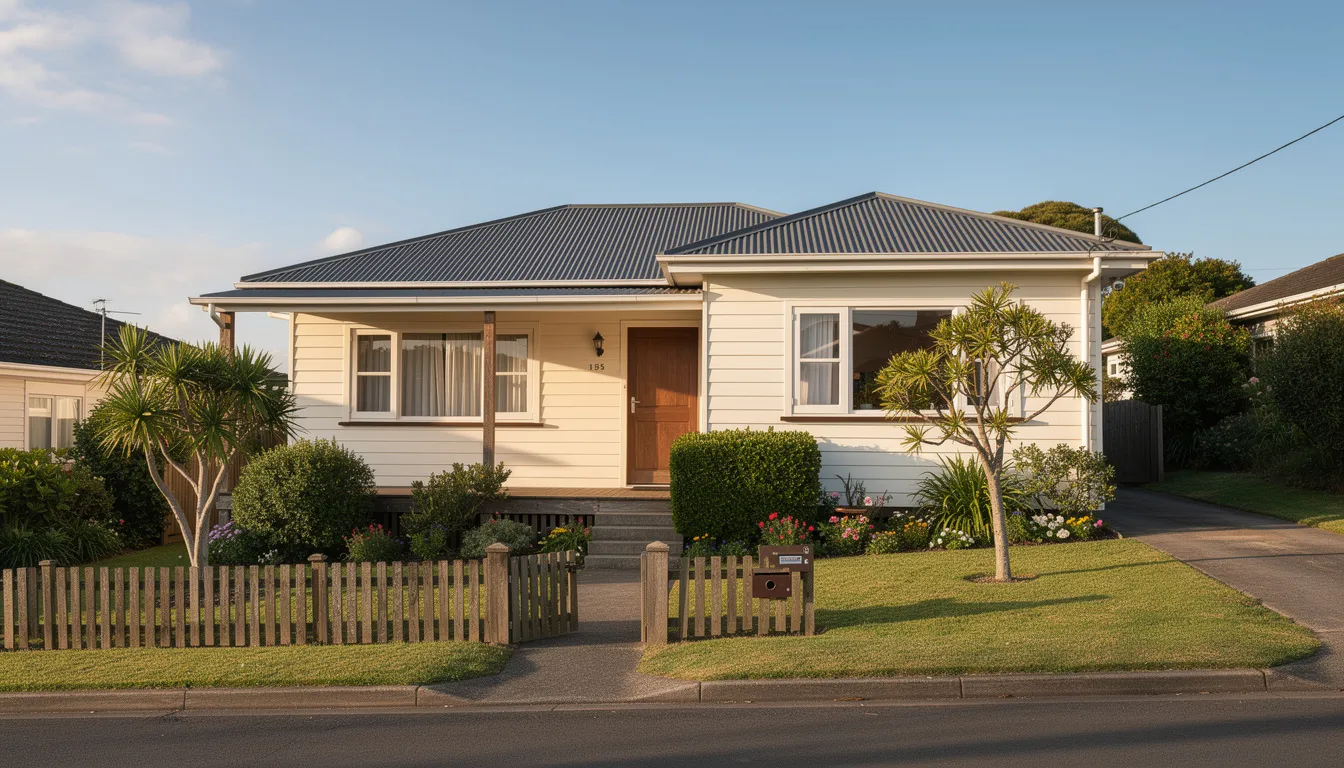
Typical residential properties requiring asbestos work include 1950s–1980s weatherboard homes, 1960s brick units, and 1970s–1980s townhouses. Asbestos is often found in roofing, soffits, wall linings, textured ceilings, vinyl flooring, and old insulation.
Broad cost guidance for common Auckland home scenarios:
| Project Type | Indicative Cost Range |
|---|---|
| Single bathroom vinyl removal | $800–$2,000+GST |
| Full soffit replacement | $1,500–$4,000+GST |
| Partial roof removal (50m²) | $3,000–$5,500+GST |
| Whole-house textured ceilings | $8,000–$20,000+GST |
Homeowners should budget for temporary relocation, especially for friable internal works. Accommodation costs are separate from the professional asbestos removal contractor’s quote.
Request written method statements and a clear schedule so you understand when you must vacate, how long residential asbestos removal will take, and when the property will be safe to re-enter.
Bundling multiple asbestos items—such as soffits plus a small shed—into one visit is often more cost-effective than doing them separately. This saves money on setup costs and mobilisation.
Commercial and Industrial Asbestos Removal Costs in Auckland
Commercial asbestos removal in Auckland CBD, East Tamaki, Penrose, and industrial areas often involves larger volumes and complex staging. Quotes for large scale commercial projects are usually customised after detailed site inspections by an experienced team.
Key cost drivers for commercial properties:
- Night or weekend work to avoid disrupting tenants
- Integration with wider fit-out or demolition programmes
- More robust air monitoring and reporting requirements
- Coordination across multiple building systems and services
Large commercial jobs can run from the tens of thousands into six figures, particularly for multi-storey buildings with spray-on fireproofing, plant rooms, or extensive pipe lagging.
When selecting an asbestos removal company for commercial work, consider tendering to multiple licensed contractors. Prepare detailed scopes of work and ensure clear allocation of responsibilities between building owners, tenants, and project managers.
Many commercial clients in Auckland require evidence of insurance, health and safety systems, and previous project references as part of contractor selection. Industry leaders in the sector will readily provide this documentation, helping keep cost and risk under control.
Why DIY or Unlicensed Asbestos Removal is a False Economy
While some Auckland homeowners try to save money with DIY asbestos work, the legal and health risks far outweigh any apparent savings. The health risks associated with asbestos exposure include serious conditions like lung cancer and mesothelioma, with latency periods up to 40 years.
Most significant asbestos removal tasks must be carried out by certified professionals under NZ law. Auckland Council and WorkSafe NZ can impose serious penalties for non-compliance, and you could face personal liability for contamination affecting neighbours or future owners.
DIY work often leads to contamination of:
- Carpets and soft furnishings
- Wall cavities and ventilation systems
- Gardens and outdoor areas
- Neighbouring properties
This can result in far higher remediation costs than a correctly managed removal in the first place. What seemed like a $500 saving could turn into $15,000+ in cleanup and decontamination.
Improper disposal—such as dumping in general waste or on rural land—is illegal and traceable. Penalties can be severe, and the asbestos removed must still be properly disposed of at your expense.
Treat very low or “cash job” quotes with suspicion. Check for current licences, insurance, and references before allowing any asbestos removal work to begin. A qualified team from a legitimate removal company will always provide documentation.
Using Experts to Plan and Control Your Asbestos Budget
Involving the right experts early—assessors, removalists, and in some cases, project managers—helps Auckland owners keep both cost and risk under control throughout the removal process.
Independent asbestos assessors play a crucial role in scoping work, preparing surveys, and confirming whether cheaper management options are viable instead of full removal. Their impartial advice ensures compliance with all regulatory requirements.
Experienced removal contractors can sequence works to minimise scaffold moves, combine areas into single setups, and coordinate with other trades. This reduces duplicated costs and ensures the certified team operates efficiently.
When reviewing quotes, ask for itemised breakdowns that separate:
- Asbestos testing and survey costs
- Setup and containment
- Actual removal labour
- Air monitoring (if required)
- Asbestos disposal and transport
- Clearance certificates
Clear communication, realistic timeframes, and early planning help avoid variation costs and delays—particularly important during busy Auckland construction seasons when skilled contractors are in high demand.
Getting multiple quotes allows you to compare not just prices but also methodology and inclusions. The cheapest quote isn’t always the best value if it excludes essential safety practices or proper documentation.
Frequently Asked Questions – Asbestos Removal Cost in Auckland
Is asbestos removal more expensive in Auckland than in other parts of New Zealand?
Auckland costs are often slightly higher due to labour rates, traffic-related travel time, and disposal fees at hazardous waste sites. However, the main driver remains project type and complexity rather than region alone.
Larger cities like Auckland also have more licensed contractors, which can improve competition. Property owners should still shop around rather than assuming Auckland must always be the most expensive option.
Regional comparisons between Waikato, Northland, or Wellington versus Auckland aren’t always like-for-like because building types, access conditions, and local disposal options differ significantly.
How long does a typical asbestos removal job take in an Auckland home?
Rough timeframes vary depending on scope:
- Small soffit or vinyl jobs: One day
- Modest roof or large bathroom: 2–4 days
- Full-house textured ceiling removal: Up to 1–2 weeks including setup and clearance
Timeframes can be extended by weather (for external roofs), access restrictions, and coordination requirements with other trades like electricians, plumbers, and builders.
Build a small contingency into your renovation schedule. Testing sometimes reveals additional asbestos once construction has started, requiring scope adjustments mid-project.
Can I stay in my house during asbestos removal, or do I need to move out?
For many external jobs like soffits or roofs, owners can sometimes remain on site with appropriate exclusion zones. Internal friable works—such as textured ceiling removal—often require full or partial vacating of the property for safety.
The decision depends on scope of work, containment setup, and access routes. Your removal contractor should clearly advise on occupancy limits before starting work and include this in their method statement.
Temporary accommodation costs are not normally included in asbestos quotes and should be budgeted separately by the homeowner.
Does insurance ever cover asbestos removal in Auckland?
Most standard home policies do not cover routine asbestos removal or upgrades. However, they may contribute when asbestos must be removed as part of an insured event such as fire damage, storm damage, or other covered incidents.
Check your specific policy wording and speak directly with your insurer or broker before starting work. Coverage varies widely between providers and policy types.
Keep detailed quotes, invoices, and clearance reports to support any insurance claim related to asbestos works. Documentation from industry leaders and certified professionals carries more weight with insurers.
How can I be sure an Auckland asbestos removal quote is from a properly licensed contractor?
Ask for the contractor’s current WorkSafe NZ asbestos removal licence (Class A or Class B depending on your project requirements), evidence of public liability insurance, and recent project references from South Auckland to the North Shore.
You can verify licences through official WorkSafe registers or by requesting documentation in writing. Be wary of anyone unwilling to provide proof of their qualifications or insurance coverage.
When comparing quotes from across the Auckland region, look beyond price alone. Compare inclusions such as air monitoring, clearance certificates, and disposal documentation. The most thorough quotes from fully licensed professionals typically represent better value and lower risk than suspiciously cheap alternatives.
Who are the reputable asbestos removal specialists in Auckland?
Auckland has several licensed and experienced asbestos removal specialists known for safely handling asbestos. Customer reviews and ratings can help identify trusted companies that offer professional services including comprehensive inspections and safe disposal of hazardous materials.
What services do asbestos removal companies in Auckland provide?
Many companies offer a full range of services such as asbestos testing, removal, and disposal of asbestos-containing materials. Choosing a local removal company can also help reduce costs related to travel and logistics.
Why is professional asbestos testing important before removal?
Professional assessors use specialised equipment and lab tests to accurately detect asbestos and measure its extent. Without proper testing, removal teams may underestimate the work required, leading to delays and extra costs. Testing also provides official reports needed for council approval and proper asbestos disposal.
How much does asbestos removal cost in Auckland?
Asbestos removal costs typically range between $30 and $150 per square metre. Small residential jobs generally start around $1,500 to $1,900 + GST. The price per square metre often decreases for larger areas—for example, a 10m² ceiling may cost about $500 per m², while a 100m² area might drop to $135 per m². Small projects usually start around $1,500 to $2,000, but a small 10m² room can cost around $5,000 due to set-up and containment requirements.
Are residential asbestos removal projects cheaper than commercial ones?
Yes, residential projects are generally smaller and less complex, resulting in lower costs compared to commercial asbestos removal, which often involves larger volumes and stricter safety controls.
What additional costs should property owners expect besides removal?
Disposal fees and compliance with legal regulations add to the overall cost. These include mandatory air monitoring and obtaining clearance certificates from independent assessors. Licensed contractors manage permits and disposal bookings to ensure compliance with national standards.
What standards and procedures must asbestos removal follow in Auckland?
All asbestos removal processes must adhere to New Zealand occupational health standards. Safe removal requires skilled technicians to contain the area and properly dispose of asbestos materials. Approved disposal procedures ensure hazardous materials and asbestos fibres are securely contained and transported to certified facilities.
How much does professional asbestos testing cost?
Lab testing for asbestos samples usually costs between $270 and $800. Additional costs may apply for post-removal air monitoring and clearance certificates, which are essential to confirm the area is safe for re-occupation.
Is professional asbestos testing necessary before renovation or demolition?
Absolutely. Professional testing is essential before any renovation, demolition, or removal process involving asbestos to determine the extent of contamination and to plan safe removal or management strategies.
Conclusion
Understanding asbestos removal Auckland cost is essential for homeowners and property managers to ensure safe, compliant, and effective handling of asbestos risks. The cost varies widely depending on factors such as the type of asbestos, location, size of the project, and legal requirements. Engaging certified professionals for asbestos testing, removal, and disposal not only protects health and safety but also ensures adherence to New Zealand regulations. Always obtain multiple detailed quotes from licensed asbestos removal specialists to make informed decisions and avoid costly surprises. Proper planning and expert management help safeguard your property and provide peace of mind throughout the removal process.